Qué puede hacer el café a tu piel y cómo cuidarla
Cafeína y piel: es una relación en la que la mayoría de nosotros no pensamos hasta que nuestra piel empieza a actuar de forma diferente.
Desde los lattes matutinos hasta los cafés helados de la tarde, la cafeína está profundamente arraigada en las rutinas modernas. Pero si bien la cafeína puede ser beneficiosa en los productos para el cuidado de la piel (hola, cremas para ojos desinflamatorias), el consumo excesivo de cafeína puede afectar tu piel de formas inesperadas.
En este artículo, exploraremos cómo la cafeína puede afectar tu piel, qué dice la ciencia y cómo construir una rutina de apoyo para la piel sin renunciar a tu hábito de café.
¿Afecta realmente la cafeína a tu piel?
Respuesta corta: Sí, pero indirectamente.
La cafeína en sí misma no es dañina. Sin embargo, sus efectos sobre la hidratación, las hormonas del estrés, la calidad del sueño y la circulación pueden influir en cómo se comporta tu piel con el tiempo.
Según la Mayo Clinic, la cafeína tiene propiedades diuréticas leves y puede afectar los patrones de sueño cuando se consume en exceso. Tanto la hidratación como el sueño juegan un papel importante en la salud de la piel.
1. Cafeína y deshidratación de la piel
Una de las preocupaciones cutáneas más comunes asociadas con la cafeína es la sequedad o tirantez.
Si bien el café en sí no deshidrata directamente tu piel, reemplazar el agua con bebidas con cafeína puede llevar a niveles más bajos de hidratación general. La piel a menudo refleja este desequilibrio primero.
Señales de que tu piel puede estar deshidratada:
-
Sensación de tirantez después de la limpieza
-
Maquillaje que se adhiere a las zonas secas
-
La piel se ve grasa pero se siente incómoda
Qué ayuda:
En lugar de cremas más densas o activos más fuertes, céntrate en una limpieza suave seguida de una hidratación ligera.
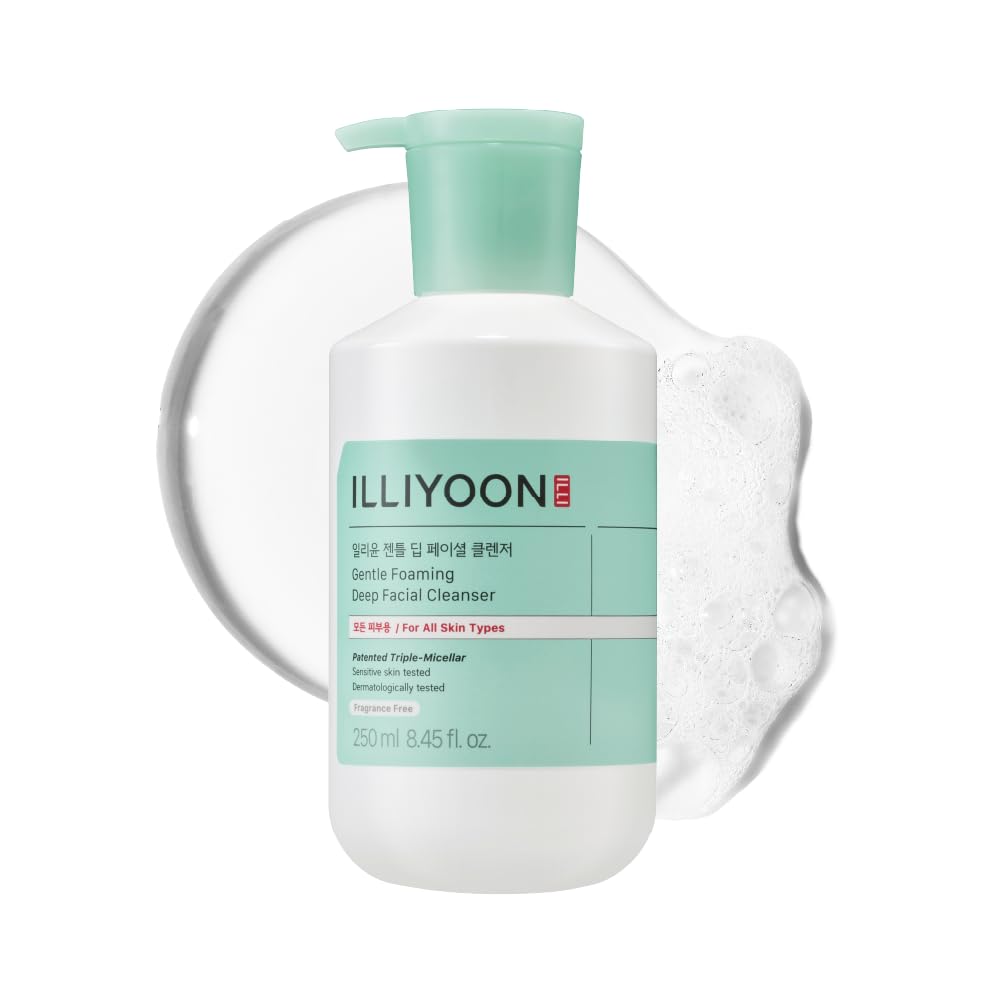
Limpieza suave:
🔗 Limpiador facial suave y profundo Illiyoon
Este limpiador de baja irritación elimina eficazmente las impurezas sin resecar la piel, lo que lo hace ideal para pieles que se sienten secas, tirantes o fácilmente estresadas.
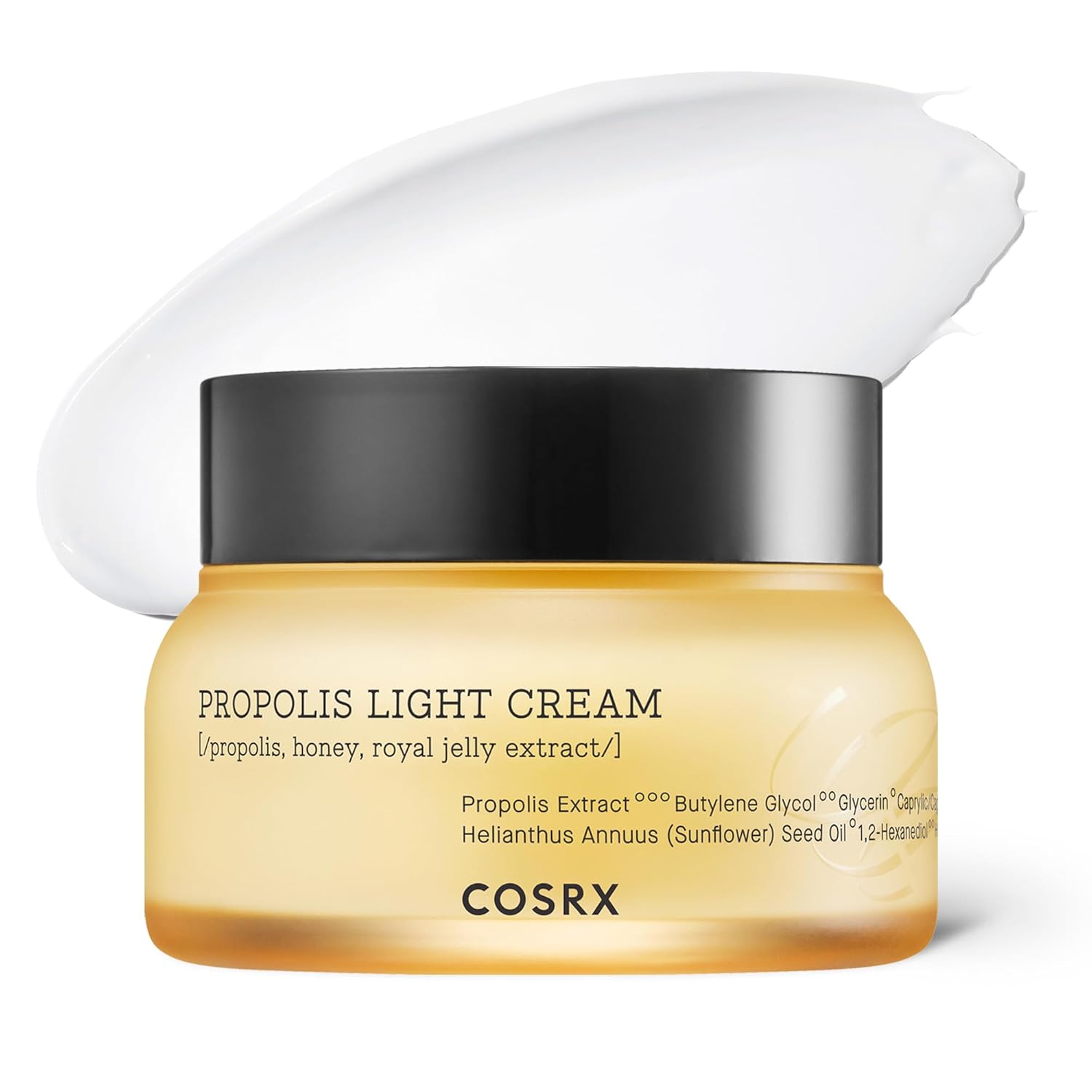
Apoyo de hidratación ligera:
🔗 COSRX Full Fit Propolis Light Cream
Esta crema proporciona hidratación y soporte para la barrera sin pesadez, lo que la convierte en una excelente opción para pieles que necesitan equilibrio de humedad, especialmente cuando el consumo de cafeína o el estrés del estilo de vida contribuyen a la deshidratación.
Juntos, un limpiador suave + crema ligera ayudan a reponer lo que la cafeína y el estrés diario pueden quitar silenciosamente a la piel.
2. Aumento de la sensibilidad y el enrojecimiento de la piel
La cafeína estimula el flujo sanguíneo y contrae los vasos sanguíneos. Para tipos de piel sensible —o aquellos con rosácea o barreras comprometidas— esta estimulación puede aumentar el enrojecimiento o la reactividad.
Qué ayuda:
-
Limpieza mínima y sin fragancia
-
Rutinas calmantes que protegen la barrera cutánea
-
Evitar la limpieza excesiva o los limpiadores espumosos fuertes
3. Cafeína, hormonas del estrés y brotes
La cafeína puede estimular la producción de cortisol, la hormona del estrés principal del cuerpo. Los niveles elevados de cortisol pueden aumentar la producción de grasa, lo que puede contribuir a la obstrucción de los poros y a los brotes de acné, especialmente durante semanas estresantes.
Qué ayuda:
En lugar de limpiadores agresivos para el acné, elige una limpieza equilibrada y un cuidado calmante.
4. Alteración del sueño y piel con aspecto cansado
El consumo de cafeína a última hora del día puede afectar la calidad del sueño, incluso si te duermes fácilmente. La falta de sueño reduce la capacidad de la piel para repararse a sí misma, lo que provoca:
-
Falta de luminosidad
-
Hinchazón
-
Ojeras
-
Curación más lenta
Qué ayuda:
-
Limpieza suave por la noche
-
Evitar ingredientes excesivamente estimulantes por la noche
-
Apoyar la recuperación de la piel con rutinas centradas en la hidratación
No necesitas dejar el café, solo cuidar tu piel
Una piel sana no se trata de eliminar todo lo que disfrutas.
Se trata de comprender cómo los hábitos de estilo de vida interactúan con tu piel y ajustar tu rutina en consecuencia.
Si la cafeína es parte de tu vida diaria, concéntrate en:
-
Limpieza suave con pH bajo
-
Hidratación constante
-
Rutinas que apoyan la barrera
-
Sueño de calidad siempre que sea posible
Tu piel no necesita extremos, necesita equilibrio.


Cómo la cafeína afecta tu piel
Qué puede hacer el café a tu piel y cómo cuidarla
Cafeína y piel: es una relación en la que la mayoría de nosotros no pensamos hasta que nuestra piel empieza a actuar de forma diferente.
Desde los lattes matutinos hasta los cafés helados de la tarde, la cafeína está profundamente arraigada en las rutinas modernas. Pero si bien la cafeína puede ser beneficiosa en los productos para el cuidado de la piel (hola, cremas para ojos desinflamatorias), el consumo excesivo de cafeína puede afectar tu piel de formas inesperadas.
En este artículo, exploraremos cómo la cafeína puede afectar tu piel, qué dice la ciencia y cómo construir una rutina de apoyo para la piel sin renunciar a tu hábito de café.
¿Afecta realmente la cafeína a tu piel?
Respuesta corta: Sí, pero indirectamente.
La cafeína en sí misma no es dañina. Sin embargo, sus efectos sobre la hidratación, las hormonas del estrés, la calidad del sueño y la circulación pueden influir en cómo se comporta tu piel con el tiempo.
Según la Mayo Clinic, la cafeína tiene propiedades diuréticas leves y puede afectar los patrones de sueño cuando se consume en exceso. Tanto la hidratación como el sueño juegan un papel importante en la salud de la piel.
1. Cafeína y deshidratación de la piel
Una de las preocupaciones cutáneas más comunes asociadas con la cafeína es la sequedad o tirantez.
Si bien el café en sí no deshidrata directamente tu piel, reemplazar el agua con bebidas con cafeína puede llevar a niveles más bajos de hidratación general. La piel a menudo refleja este desequilibrio primero.
Señales de que tu piel puede estar deshidratada:
Sensación de tirantez después de la limpieza
Maquillaje que se adhiere a las zonas secas
La piel se ve grasa pero se siente incómoda
Qué ayuda:
En lugar de cremas más densas o activos más fuertes, céntrate en una limpieza suave seguida de una hidratación ligera.
Limpieza suave:
🔗 Limpiador facial suave y profundo Illiyoon
Este limpiador de baja irritación elimina eficazmente las impurezas sin resecar la piel, lo que lo hace ideal para pieles que se sienten secas, tirantes o fácilmente estresadas.
Apoyo de hidratación ligera:
🔗 COSRX Full Fit Propolis Light Cream
Esta crema proporciona hidratación y soporte para la barrera sin pesadez, lo que la convierte en una excelente opción para pieles que necesitan equilibrio de humedad, especialmente cuando el consumo de cafeína o el estrés del estilo de vida contribuyen a la deshidratación.
Juntos, un limpiador suave + crema ligera ayudan a reponer lo que la cafeína y el estrés diario pueden quitar silenciosamente a la piel.
2. Aumento de la sensibilidad y el enrojecimiento de la piel
La cafeína estimula el flujo sanguíneo y contrae los vasos sanguíneos. Para tipos de piel sensible —o aquellos con rosácea o barreras comprometidas— esta estimulación puede aumentar el enrojecimiento o la reactividad.
Qué ayuda:
Limpieza mínima y sin fragancia
Rutinas calmantes que protegen la barrera cutánea
Evitar la limpieza excesiva o los limpiadores espumosos fuertes
3. Cafeína, hormonas del estrés y brotes
La cafeína puede estimular la producción de cortisol, la hormona del estrés principal del cuerpo. Los niveles elevados de cortisol pueden aumentar la producción de grasa, lo que puede contribuir a la obstrucción de los poros y a los brotes de acné, especialmente durante semanas estresantes.
Qué ayuda:
En lugar de limpiadores agresivos para el acné, elige una limpieza equilibrada y un cuidado calmante.
4. Alteración del sueño y piel con aspecto cansado
El consumo de cafeína a última hora del día puede afectar la calidad del sueño, incluso si te duermes fácilmente. La falta de sueño reduce la capacidad de la piel para repararse a sí misma, lo que provoca:
Falta de luminosidad
Hinchazón
Ojeras
Curación más lenta
Qué ayuda:
Limpieza suave por la noche
Evitar ingredientes excesivamente estimulantes por la noche
Apoyar la recuperación de la piel con rutinas centradas en la hidratación
No necesitas dejar el café, solo cuidar tu piel
Una piel sana no se trata de eliminar todo lo que disfrutas.
Se trata de comprender cómo los hábitos de estilo de vida interactúan con tu piel y ajustar tu rutina en consecuencia.
Si la cafeína es parte de tu vida diaria, concéntrate en:
Limpieza suave con pH bajo
Hidratación constante
Rutinas que apoyan la barrera
Sueño de calidad siempre que sea posible
Tu piel no necesita extremos, necesita equilibrio.