

Why Cleansing Matters More Than You Think
A Complete Guide to Building a Healthy Skincare Routine
When it comes to skincare, most people focus on serums, treatments, and moisturizers. But dermatologists and skin experts agree on one thing: cleansing is the most important step in any skincare routine.
If your skin feels congested, irritated, or unresponsive to products, the issue may not be what you’re applying—but how you’re cleansing.
In this guide, we’ll break down why proper cleansing matters, how to cleanse effectively, and how to choose the right cleanser for your skin type.
Why Is Cleansing So Important for Skin Health?
Your skin is your body’s largest organ and your first line of defense against environmental stressors. Throughout the day, it accumulates:
-
Makeup and sunscreen
-
Excess oil (sebum)
-
Pollution and airborne particles
-
Sweat and dead skin cells
If these impurities aren’t removed properly, they can clog pores, disrupt the skin barrier, and reduce the effectiveness of skincare products.
According to dermatological research, gentle cleansing helps maintain the skin barrier and prevent irritation rather than stripping essential oils.
👉 Learn more about the skin’s protective role from an educational source here
What Is Double Cleansing?
Double cleansing is a skincare method that involves cleansing your face twice at night using two different cleanser types.
Step 1: Oil-Based Cleanser
Oil dissolves oil. This first step removes:
-
Makeup
-
Sunscreen
-
Excess sebum
A well-formulated oil cleanser cleans without disrupting moisture levels.
Step 2: Water-Based Cleanser
Foam or gel cleansers remove:
-
Sweat
-
Dirt
-
Remaining residue
This step leaves skin clean and refreshed—without tightness.
Double cleansing is especially helpful for those who wear sunscreen daily or live in urban environments.
Morning vs. Night Cleansing: What’s the Difference?
Morning Cleansing
Purpose: refresh and prep the skin
-
Removes overnight oil and dead skin cells
-
Gentle cleansers or water rinses work well for dry or sensitive skin
Night Cleansing
Purpose: reset and repair
-
Removes daily buildup and pollutants
-
Ideal time for double cleansing
Night cleansing supports better absorption of nighttime skincare products.
How to Choose the Right Cleanser for Your Skin Type
For Sensitive or Dry Skin
Sensitive or dry skin requires cleansing that removes impurities without weakening the skin barrier.
High-pH or overly foaming cleansers can leave skin feeling tight, irritated, and uncomfortable.
Look for low-pH, fragrance-free formulas that cleanse gently while maintaining moisture.

Recommended Cleansing Product: Illiyoon Gentle Deep Facial Cleanser
A cult-favorite for sensitive skin, this cleanser uses mild surfactants to cleanse thoroughly while helping the skin retain moisture. Ideal for daily use when skin feels dry, reactive, or easily irritated.
Why it works:
Illiyoon is known for barrier-supportive formulations, making this cleanser a safe starting point for compromised or sensitive skin types.
For Acne-Prone or Oily Skin
For acne-prone or oily skin, cleansing is essential—but too much cleansing can make breakouts worse.
Stripping the skin aggressively often triggers excess oil production, leading to clogged pores and inflammation.
The goal is to remove excess sebum and buildup without disrupting balance.

Recommended Cleansing Product: COSRX Low pH Good Morning Gel Cleanser
A longtime K-beauty bestseller, this low-pH gel cleanser helps cleanse pores and control excess oil while staying gentle enough for daily use.
Why it works:
Its low-pH formula supports the skin barrier while keeping oil and congestion in check—making it especially popular among those with acne-prone skin.
For Dehydrated or Compromised Skin
Dehydrated skin often feels tight but looks shiny, a sign that the skin lacks water rather than oil.
In this case, cleansing should focus on protecting hydration and preventing further moisture loss.
Avoid harsh foaming cleansers that leave the skin feeling “squeaky clean.”
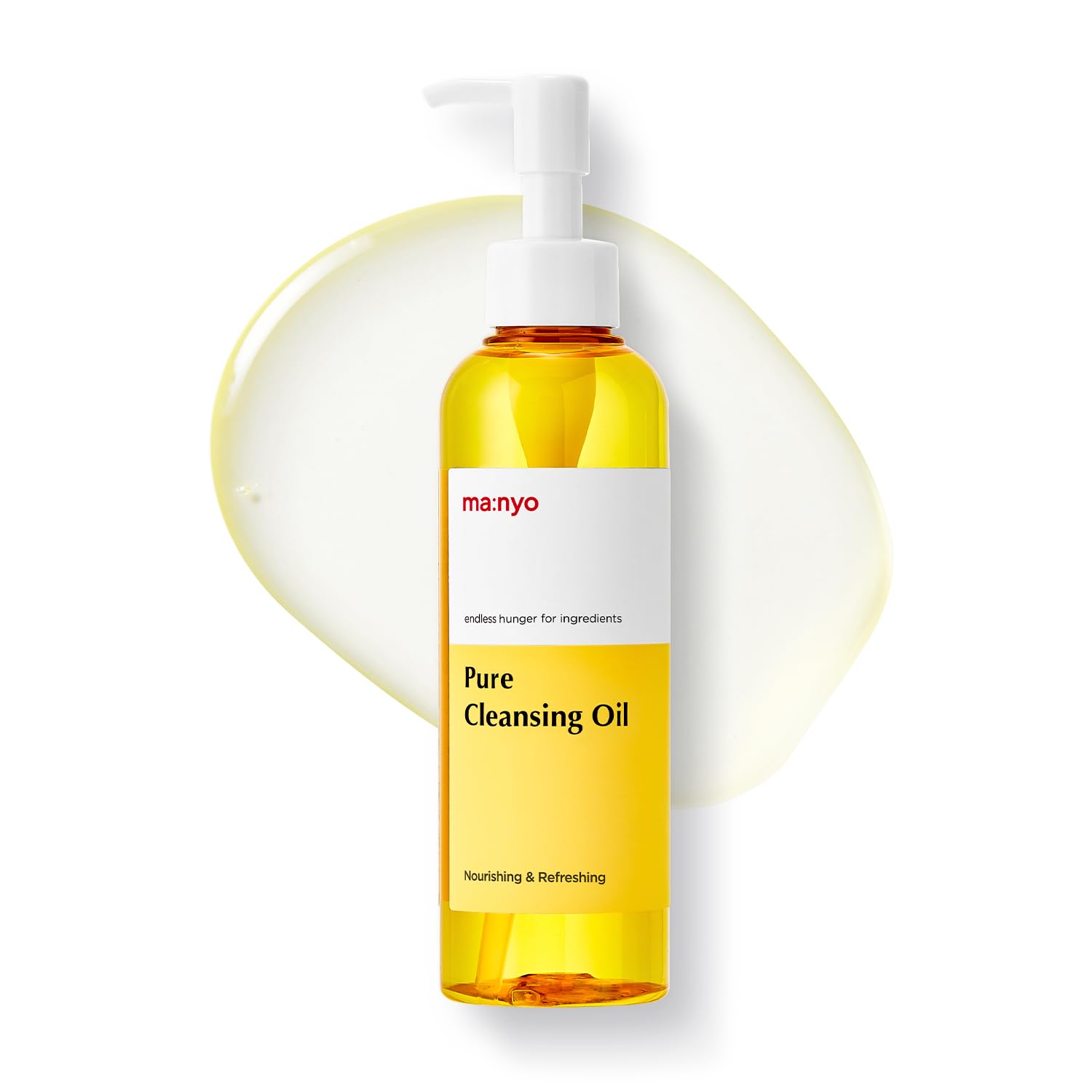
Recommended Cleansing Product: ma:nyo Pure Cleansing Oil
This gentle oil cleanser effectively dissolves sunscreen, makeup, and excess sebum without stripping the skin, making it an excellent option for dehydrated or stressed skin.
Why it works:
By cleansing without disrupting the lipid barrier, oil cleansers like this help reset dehydrated skin while preparing it for hydrating steps that follow.
Common Cleansing Mistakes to Avoid
-
Using hot water (can weaken the skin barrier)
-
Scrubbing aggressively
-
Cleansing too often or with overly harsh formulas
-
Ignoring hygiene (dirty pillowcases and phone screens matter)
Small habit changes often lead to noticeable skin improvements.
How Often Should You Cleanse?
-
Once or twice daily is enough for most skin types
-
Over-cleansing can trigger irritation and excess oil production
-
Consistency matters more than intensity
If your skin feels tight after cleansing, it’s a sign your cleanser may be too strong.
Final Thoughts: Start With a Clean Foundation
Healthy skin doesn’t start with stronger products—it starts with smarter habits.
By choosing the right cleanser and cleansing method for your skin type, you create the foundation for every step that follows. When cleansing works, skincare works better.
If you’re rebuilding your routine, start here—and build thoughtfully.