

Ingredient Pairing Guide: What Works Together (and What Doesn’t)
A Science-Backed Guide to Layering Active Skincare Ingredients
If you’re investing in high-performance skincare, ingredient pairing matters just as much as ingredient selection.
The right combinations strengthen your skin barrier, boost absorption, and improve visible results.
The wrong combinations?
They can quietly cause irritation, inflammation, and long-term sensitivity.
Let’s break it down.
✅ Ingredient Combinations That Work
1. Retinol + Ceramides
Best for: Anti-aging without barrier damage
Retinol increases cell turnover.
Ceramides rebuild the lipid barrier that retinol can temporarily weaken.
Why this pairing works:
You stimulate renewal while reinforcing the skin barrier.
KPTOWN Pairing Example:
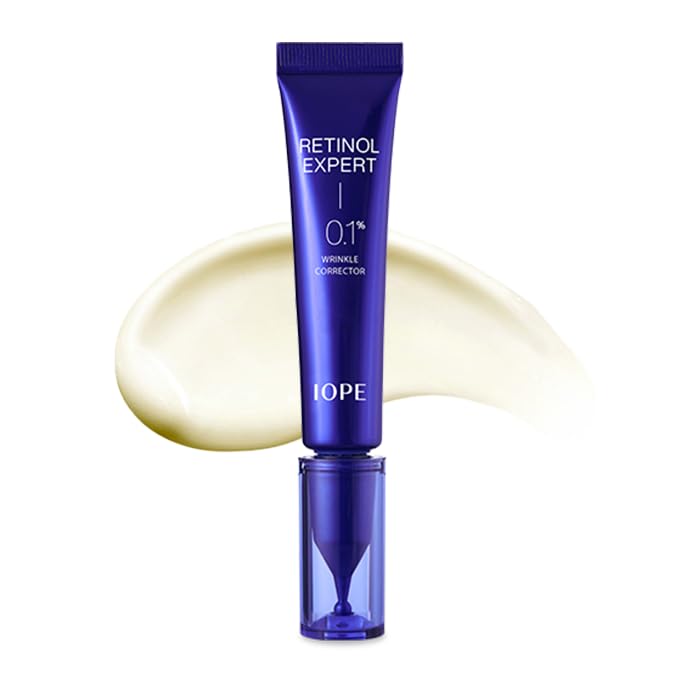
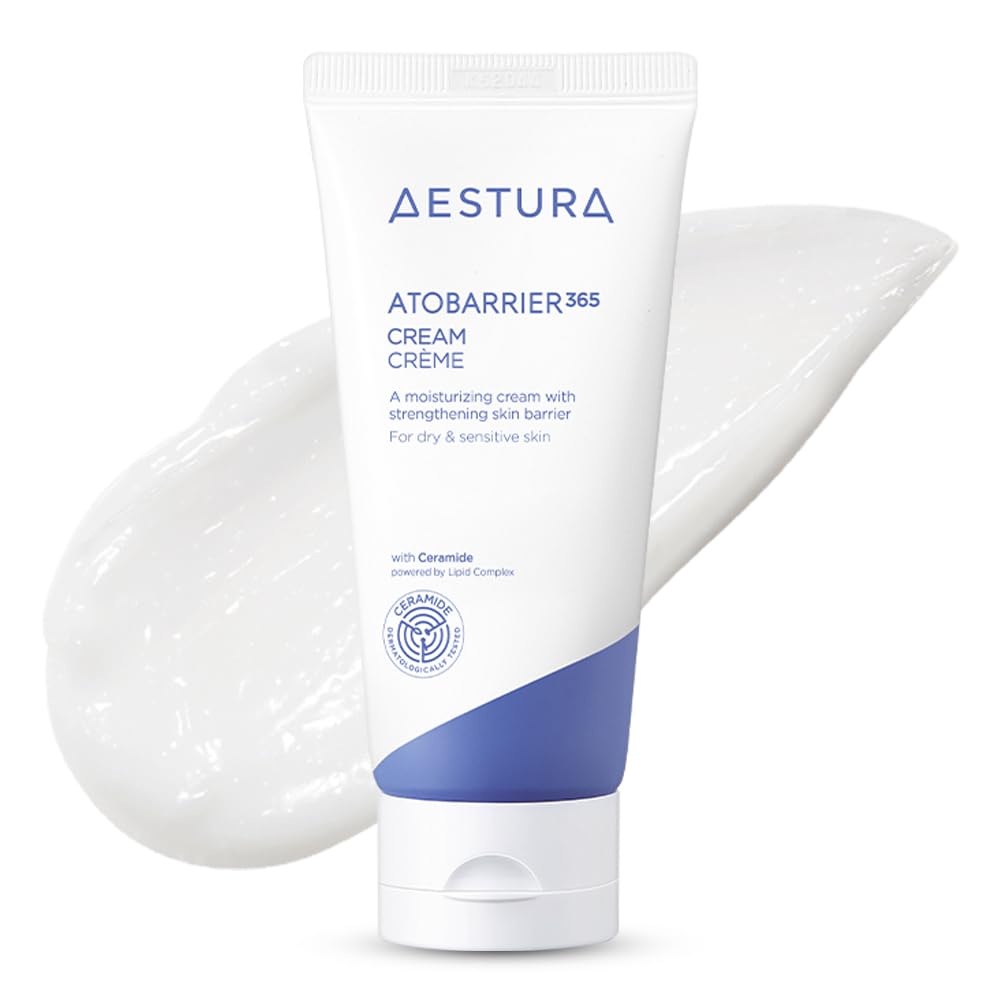
-
IOPE Retinol Expert 0.1% - Enjoy 7% Off at KPTOWN!
-
Aestura Atobarrier 365 Cream - Enjoy 9% Off at KPTOWN!
This strategy reduces flaking and improves long-term tolerance.
2. Vitamin C + Sunscreen
Best for: Brightening + UV protection
Vitamin C neutralizes free radicals.
Sunscreen blocks UV radiation.
Why this pairing works:
Layered antioxidant defense improves protection against environmental damage.
KPTOWN Example:

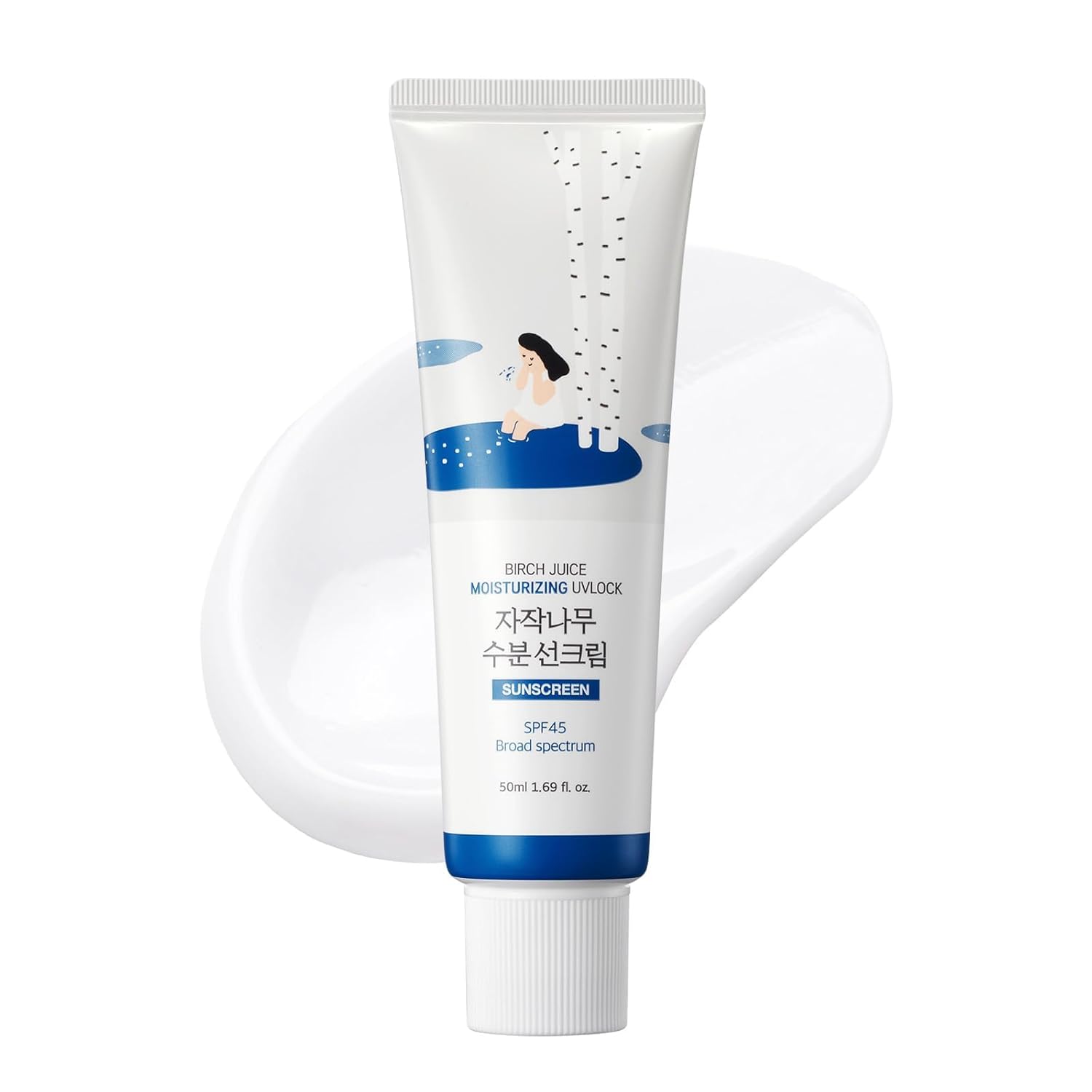
-
Medicube Deep Vitamin C Golden Capsule Moisturizer - Enjoy 9% Off at KPTOWN!
-
Round Lab Birch Juice Moisturizing Sun Cream - Enjoy 31% Off at KPTOWN!
Morning routine essential.
3. Centella + Retinol or Exfoliating Acids
Best for: Sensitive or reactive skin
Centella asiatica reduces inflammation and supports wound healing.
Why this pairing works:
Centella buffers irritation from stronger actives.
KPTOWN Example:
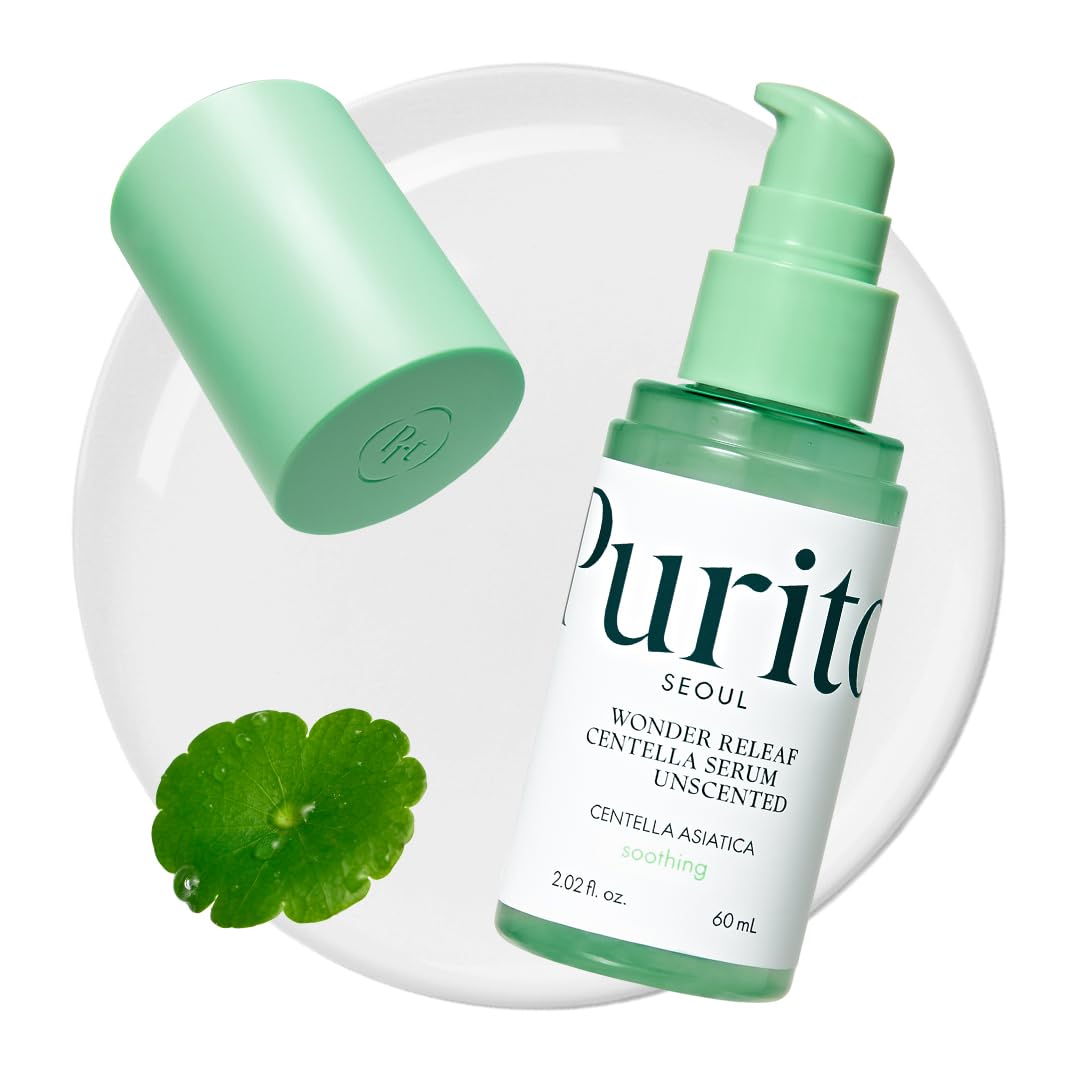
-
PURITO Centella Unscented Serum - Enjoy 10% Off at KPTOWN!
-
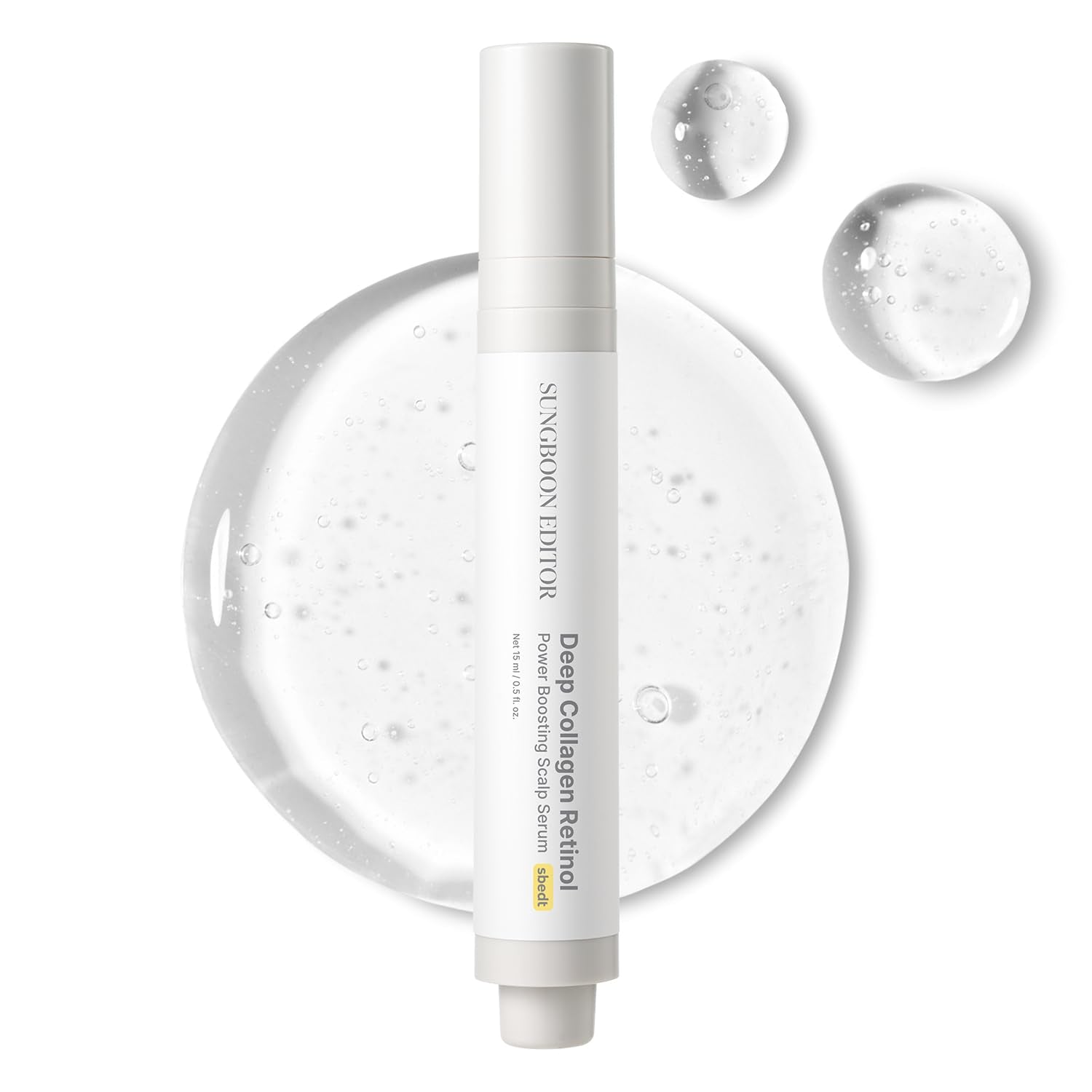
SUNGBOON EDITOR Deep Collagen Retinol Scalp Serum - Enjoy 9% Off at KPTOWN!
This is ideal for first-time retinol users.
4. Snail Mucin + Almost Any Active
Best for: Hydration + Recovery
Snail mucin supports repair and hydration.
Why this pairing works:
It reinforces moisture levels while actives target texture or tone.
KPTOWN Example:
-
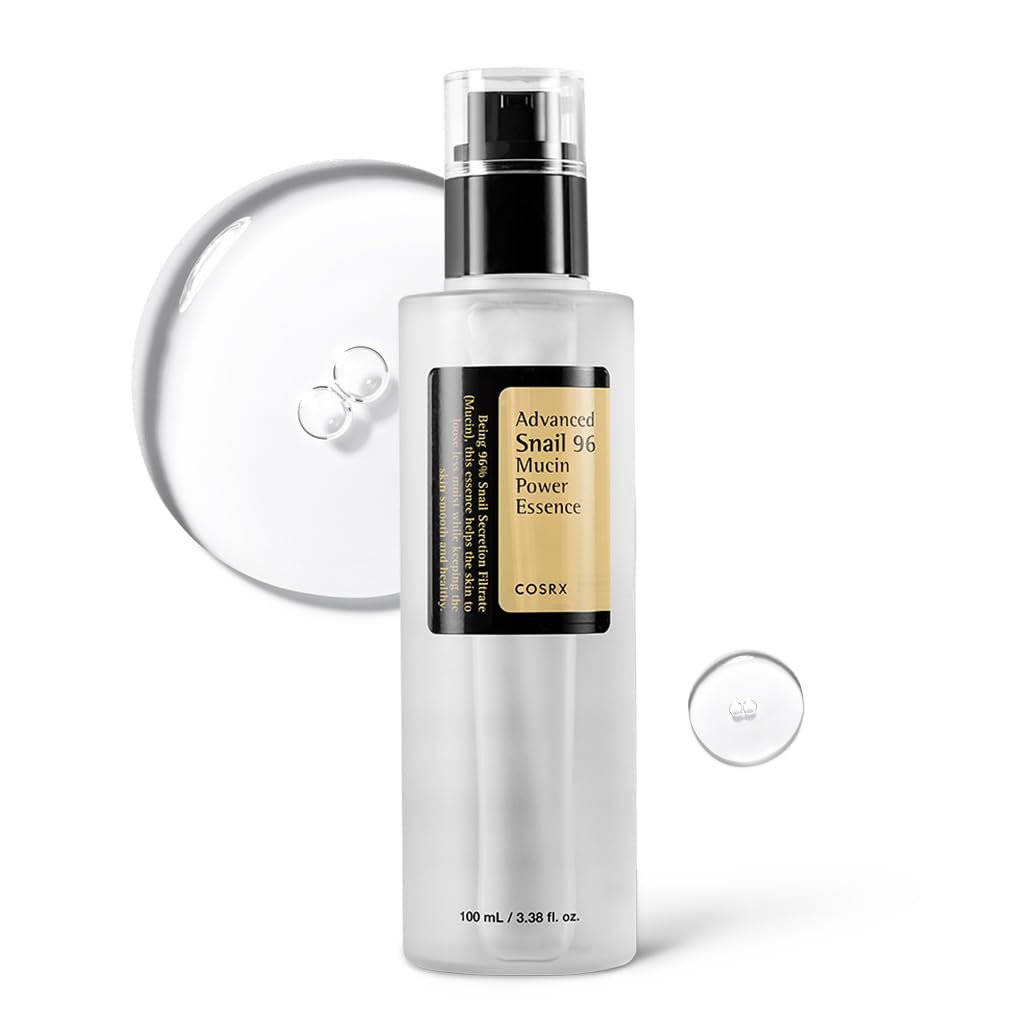
COSRX Snail Mucin Repairing Serum - Enjoy 37% Off at KPTOWN!
-
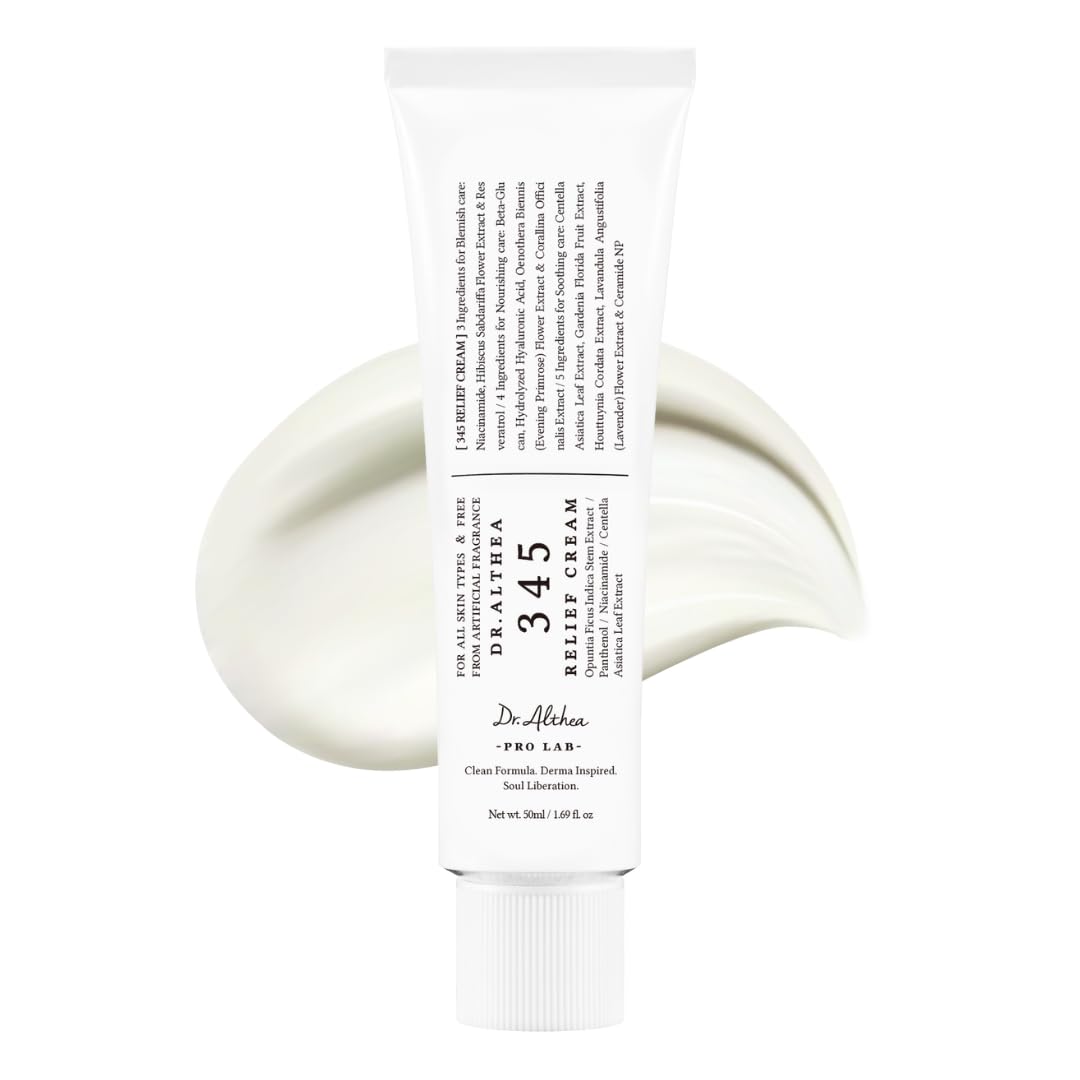
Dr. Althea 345 Relief Cream - Enjoy 15% Off at KPTOWN!
- Retinol / Vitamin C / Peptides layered afterward
Think of snail mucin as your “repair cushion.”
5. PDRN + Ceramides
Best for: Stressed, damaged, or post-procedure skin
PDRN supports regeneration.
Ceramides protect rebuilding skin.
KPTOWN Example:


-
Medicube Salmon DNA PDRN Pink One Day Serum - Enjoy 9% Off at KPTOWN!
-
Illiyoon Ceramide Ato Concentrate Cream - Enjoy 9% Off at KPTOWN!
Recovery-focused nighttime pairing.
🚫 Ingredient Combinations That Can Stress Your Skin
These combinations aren’t toxic.
But they can weaken your skin barrier if layered aggressively.
1) Retinol + AHA/BHA (Same Routine)
Risk: Over-exfoliation, redness, sensitivity
Better strategy: Alternate nights
2) High-Strength Vitamin C + Retinol (Same Time)
Risk: Irritation, pH conflict
Better strategy: Vitamin C (morning), Retinol (night)
3) Multiple Acid Products in One Routine
Risk: Micro-inflammation + barrier thinning
Better strategy: Limit to one exfoliating step per routine
4) Benzoyl Peroxide + Retinol
Risk: Retinol destabilization
Better strategy: Use at different times of day
Quick Compatibility Chart (Save It For Later)
|
Ingredient |
Pairs Well With |
Use Caution With |
|
Retinol |
Ceramides, Centella, Snail Mucin |
AHA/BHA, Benzoyl Peroxide |
|
Vitamin C |
Sunscreen, Niacinamide |
Retinol (same routine) |
|
Centella |
Retinol, Acids |
— |
|
Snail Mucin |
Most actives |
— |
|
PDRN |
Ceramides, Peptides |
Strong acids (same routine) |
|
Ceramides |
All actives |
— |
How to Layer Active Ingredients Safely
-
Introduce one new active at a time
-
Support your barrier daily
-
Avoid stacking exfoliants
-
Always wear sunscreen
-
If irritation appears — simplify immediately
The Bottom Line
Powerful ingredients don’t damage skin.
Poor pairing does.
Understanding ingredient synergy transforms your routine from trend-based to strategy-based.
Skincare isn’t about using more.
It’s about using smarter.